Have you considered how magnesium might improve your brain health, focus, and memory? Whether you’re dealing with memory lapses, concentration problems, or trying to learn new skills, Magnesium Threonate provides a natural solution to support brain health and boost memory, potentially reversing signs of brain aging. Learn how Magnesium Threonate can support your cognitive function and memory. Many studies underscore magnesium’s vital role in the body, aiding nerve and muscle function and energy creation. It also facilitates the transmission of nerve signals to the brain. Therefore, a magnesium deficiency can lead to cognitive and concentration difficulties (National Center for Biotechnology Information, 2026).
This essential mineral offers significant benefits for the body’s functions, especially in boosting brain performance.
What is Magnesium Threonate?
- Magnesium Threonate is a salt composed of magnesium ions and threonate, which originates from the breakdown of vitamin C. Supplementing with magnesium can help prevent synaptic loss and reverse cognitive impairments in patients with Alzheimer’s (National Center for Biotechnology Information, 2026).
- Healthy synapses and better blood flow to the brain can help reverse signs of brain aging and boost memory. It’s wonderful to see evidence showing that this mineral can even counteract some of the memory loss associated with Alzheimer’s. This study highlights some very promising results for those living with the disease.
Cognitive Support and Brain
- Magnesium Threonate supplements can boost magnesium levels by up to 15%, supporting your brain’s learning and memory. They also promote the growth of synapses in the hippocampus, helping to prevent synaptic loss and improve neurotransmitter function. Plus, magnesium is essential for various neurobiological processes in the brain (Patel et al., 2024).
- Lopresti et al. (2026) conducted a study involving young and middle-aged individuals who took Magtein (Magnesium Threonate) for six weeks. The results were encouraging, showing notable improvements in cognitive abilities, memory, concentration, and learning. Participants also experienced a meaningful boost in their sleep quality.
- Magnesium, like all other supplements, plays a vital role in supporting our health. Increasing brain magnesium threonate levels can improve neurotransmission, prevent synaptic death, and support various neurological processes. The brain is a very complex organ that needs special care and support to function well. When supplying it with proper nutrition, it’s also important to consider any potential adverse effects. Therefore, choosing the right dose and supplier is key to ensuring safety and effectiveness.
Evidence-Based Dose Recommendation
- Studies indicate that Magtein, a magnesium threonate supplement, enhances cognitive functions such as concentration and memory. The recommended daily dose is 2000 mg, providing 144 mg of elemental magnesium, ideally taken throughout the day. Take it in the morning to boost focus and at night to improve sleep. Consult a healthcare provider before use, especially if you are taking other medications. DrOracle.ai.(2025,December 03).
- Possible side effects might be upset stomach and diarrhea.

Brain Boost Worth Trying
Magnesium is more than just a supplement—it’s a highly promising and smart option for supporting your brain health. It energizes your brain and nourishes your neurotransmitters, allowing them to function more effectively and providing you with a mental boost. Don’t wait—give it a try. Your sharper tomorrow begins today!

References
DrOracle.ai. (2025, December 3). What is the recommended dosage for magnesium threonate?
https://www.droracle.ai/articles/583184/what-is-the-recommended-dosage-of-magnesium-threonate-for
Lopresti, A., & Smith, S. (2026). The effects of magnesium L-threonate (Magtein®) on cognitive performance and sleep quality in adults: A randomized, double-blind, placebo-controlled trial. Frontiers in Nutrition, 12, https://www.frontiersin.org/journals/nutrition/articles/10.3389/fnut.2025.1729164/full
National Center for Biotechnology Information (2026). PubChem Compound Summary for CID 71307398, Magnesium-l-threonate. Retrieved February 1, 2026 from https://pubchem.ncbi.nlm.nih.gov/compound/Magnesium-l-threonate.
Patel, V., Akimbekov, N. S., Grant, W. B., Dean, C., Fang, X., & Razzaque, M. S. (2024). Neuroprotective effects of magnesium: Implications for neuroinflammation and cognitive decline. Frontiers in Endocrinology, 15, 1406455. https://doi.org/10.3389/fendo.2024.1406455
1729164. https://doi.org/10.3389/fnut.2025.1729164Links to an external site.
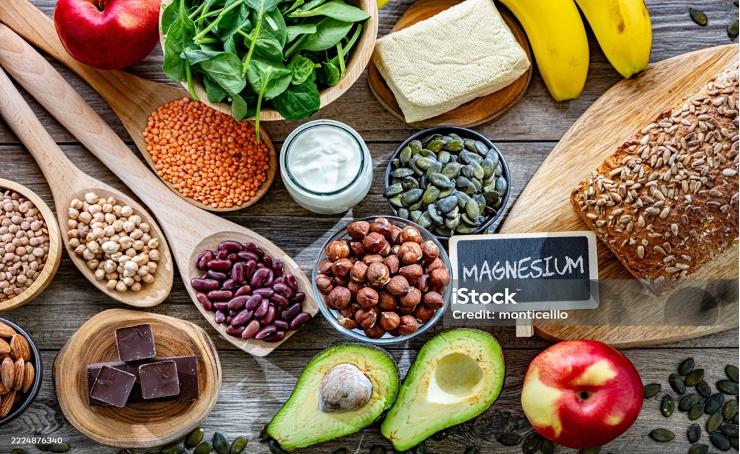
iStock. (2020). Foods containing natural magnesium (Mg): Chocolate, banana, cocoa, nuts, avocados, broccoli [Photograph]. https://www.istockphoto.com/photo/food-products-rich-in-magnesium-gm2222728037-638984459
iStock. (2019). Spoons with capsules on the table [image]. https://www.istockphoto.com/photo/assorted-supplements-on-wooden-spoons-a-variety-of-dietary-supplements-arranged-on-gm2212784704-629699372
iStock. (2020). Vitamins, magnesium [image]. https://www.istockphoto.com/photo/vitamins-nutritional-supplements-healthy-lifestyle-concept-gm1664545594-535278261
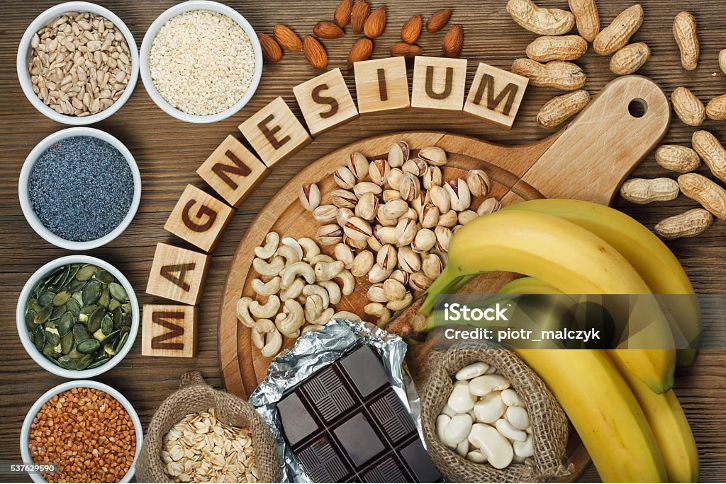
iStock. (2016). Foods containing magnesium: bananas, pumpkin seeds, chocolate, nuts, almonds, and poppy seeds on the wooden table. [image]. https://www.istockphoto.com/photo/products-containing-magnesium-gm537629590-95423885
 Site Title
Leave a comment